

Feeling overwhelmed by your finances? This 30-day plan will guide you through a simple yet effective process to simplify your financial life. Learn practical strategies to budget effectively, reduce debt, and build a strong financial foundation. Discover how to gain control of your spending, improve your credit score, and achieve your financial goals within just one month. This comprehensive guide provides actionable steps to simplify your money management and achieve lasting financial well-being.
List Out All Accounts, Subscriptions, and Services
The first step to simplifying your finances is gaining a complete overview of your financial landscape. This involves creating a comprehensive list of all your accounts, subscriptions, and services.
Begin by listing all your bank accounts, including checking, savings, and any investment accounts. Note the account numbers and balances (as accurately as possible). Next, document all your credit cards, including their numbers, limits, and current balances.
Then, meticulously list all your recurring subscriptions. This includes streaming services (Netflix, Spotify, etc.), software subscriptions (Adobe Creative Cloud, Microsoft 365, etc.), gym memberships, and any other regular payments. Note the monthly cost and the service provider for each.
Finally, account for any other regular services you pay for, such as utilities (electricity, water, gas), phone bills, and insurance premiums. Record the provider and the typical monthly expense.
Having this complete list allows you to see your total financial commitments clearly, facilitating better budgeting and decision-making in the next steps of simplifying your financial life.
Consolidate Where Possible (Accounts, Cards)
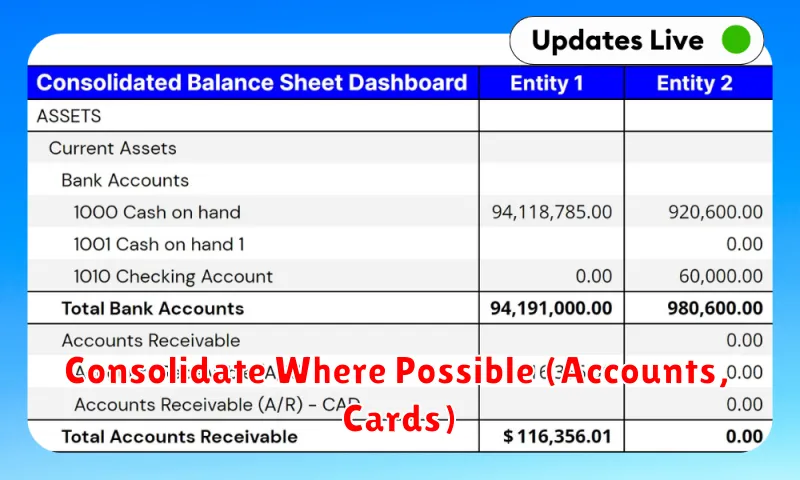
Managing numerous bank accounts and credit cards can be overwhelming. Consolidation simplifies your finances by reducing the number of accounts you need to monitor.
Consider transferring funds from multiple checking or savings accounts into a single, high-yield account. This streamlines your budgeting and tracking processes. For credit cards, explore balance transfer options to a card with a lower interest rate, simplifying payments and potentially saving you money on interest. Be sure to carefully review any fees associated with balance transfers.
Remember to close any unnecessary accounts after consolidation to avoid potential fees and further streamline your financial management.
Set Up Auto Payments and Auto Savings
Automating your finances is a crucial step towards simplification. Setting up auto payments for recurring bills like utilities, rent, and loan payments eliminates the risk of late fees and the mental burden of remembering due dates. This frees up valuable time and mental energy.
Simultaneously, establishing auto savings transfers a predetermined amount from your checking account to your savings account regularly. This consistent contribution, even if small, builds your savings effortlessly. Consider setting up automatic transfers to various savings goals, such as emergency funds or retirement.
By implementing both auto payments and auto savings, you create a system where your money works for you, minimizing manual effort and maximizing financial stability. This streamlined approach contributes significantly to a less stressful and more organized financial life.
Unsubscribe from Unused Paid Services
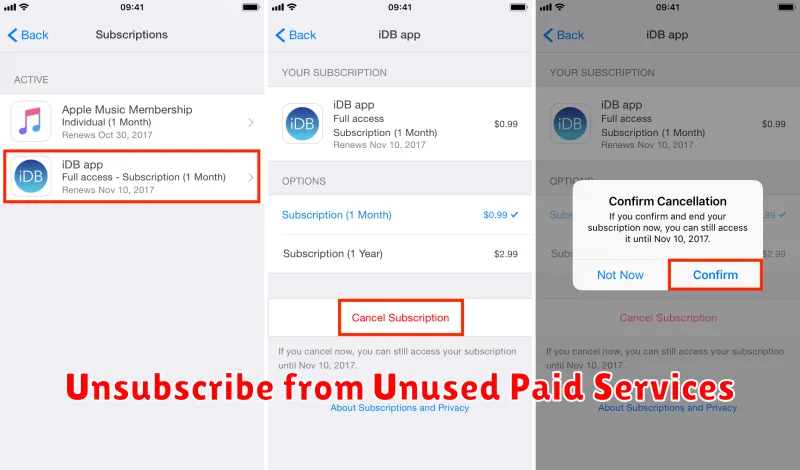
One quick win in simplifying your finances is to identify and unsubscribe from unused paid services. Many people subscribe to streaming services, software, or memberships they no longer use. This results in recurring charges that add up over time.
Take 30 minutes to review your bank and credit card statements. Identify any recurring charges for services you don’t actively use or need. Then, systematically unsubscribe from these services. You can often find the option to cancel subscriptions within your account settings or by contacting customer support.
This simple act can lead to significant savings over the course of a year. The money saved can be redirected to more important financial goals, or simply provide you with more financial breathing room.
Consider using a budgeting app to track subscriptions and ensure you’re only paying for services you actively use. This proactive approach can prevent future unwanted charges and make it easier to manage your finances in the long run.
Reduce Decision Fatigue With Fixed Budgets
Financial decisions can be mentally draining. Decision fatigue, the exhaustion from making numerous choices, impacts even simple spending decisions. Combat this by implementing fixed budgets.
A fixed budget assigns a predetermined amount to specific spending categories (e.g., groceries, entertainment, transportation). This eliminates the need to constantly deliberate on individual purchases within those categories. Once the allocated amount is spent, you simply stop, reducing the mental load associated with choosing between options.
Benefits include reduced stress, improved financial clarity, and increased savings. By knowing your spending limits upfront, you prevent impulse purchases and maintain better control over your finances. This streamlined approach to budgeting simplifies your financial life, freeing up mental energy for other tasks.
Start by tracking your spending for a month to identify your average expenditure in different categories. Then, create a realistic budget, allocating slightly less than your average to each category to encourage savings. Regularly review and adjust your fixed budget as needed.
Plan Weekly Finance Routines
Establishing consistent weekly financial routines is crucial for simplifying your financial life. Dedicate a specific time each week, perhaps Sunday evening or Monday morning, to review your finances.
Review your accounts: Check your bank and credit card statements for any discrepancies or unexpected charges. Reconcile your transactions to ensure accuracy.
Track your spending: Analyze your spending patterns from the past week. Identify areas where you can cut back or make more conscious spending choices. Using budgeting apps can significantly help with this process.
Pay bills: Schedule bill payments to avoid late fees and maintain a good credit score. Consider setting up automatic payments for recurring bills to streamline the process.
Plan for the upcoming week: Budget for anticipated expenses, such as groceries, entertainment, or transportation. This proactive approach prevents unexpected overspending.
Review your financial goals: Take a moment each week to reflect on your long-term financial goals. This regular check-in helps you stay motivated and on track.
By incorporating these weekly routines into your schedule, you’ll gain better control of your finances, reducing stress and fostering a more simplified approach to managing your money.
End the Month with a Finance Reflection Summary
At the end of each month, dedicate time to review your financial performance. This involves comparing your actual spending against your budget. Identify areas where you overspent and analyze the reasons why.
Analyze your income and expenses. Note any unexpected income or expenses. This step helps you understand your cash flow and identify potential areas for improvement.
Evaluate your progress towards your financial goals. Are you on track to meet your savings targets or debt reduction plans? Adjust your strategy if necessary based on your monthly reflection.
This monthly reflection process is crucial for maintaining financial awareness and making informed decisions. It facilitates proactive financial management, promoting long-term financial stability.
