
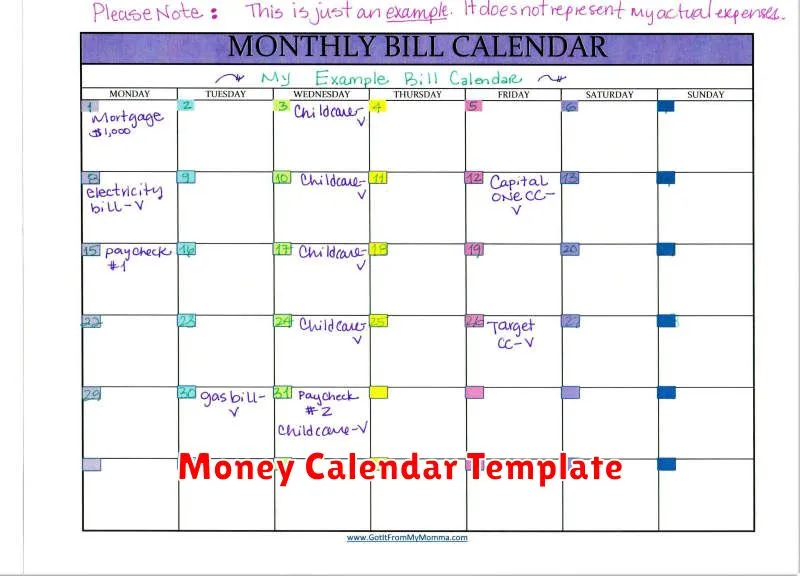
Are you struggling to manage your finances effectively? Do you find yourself constantly surprised by unexpected expenses or missing important payment deadlines? A well-structured financial calendar can be the key to taking control of your money. This guide will show you how to create a personalized financial calendar that helps you stay organized, focused, and on track toward achieving your financial goals. Learn how to schedule bill payments, plan for savings, and track your progress with a simple yet powerful system.
What Is a Financial Calendar and Why It Helps
A financial calendar is a personalized scheduling tool that tracks all your financial obligations and income streams throughout the year. It’s more than just a list of due dates; it provides a visual representation of your cash flow, helping you anticipate expenses and manage your money effectively.
The benefits of using a financial calendar are significant. It helps you stay organized, preventing you from missing important payments and incurring late fees. By visualizing your income and expenses, you can better budget and plan for future goals, such as saving for a down payment or paying off debt. This proactive approach can reduce financial stress and improve your overall financial well-being.
Moreover, a financial calendar allows for better financial decision-making. Seeing your upcoming expenses laid out clearly helps you prioritize spending and make informed choices about allocating your resources. It empowers you to take control of your finances and build a stronger financial foundation.
Mark Paydays and Bill Due Dates
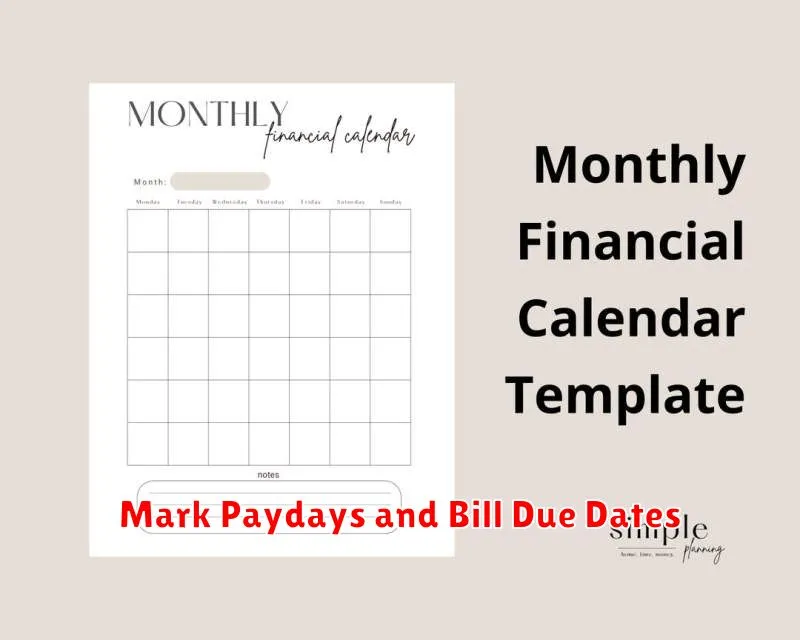
Creating a financial calendar starts with noting down your key financial dates. Paydays are crucial; record these clearly on your calendar. This allows you to visualize your incoming funds and plan spending accordingly.
Equally important are bill due dates. For each recurring bill (rent, utilities, loan payments, etc.), record the due date. This prevents late payments and associated fees.
Consider using different colors or highlighting methods to distinguish paydays from bill due dates for better visual organization. This simple step provides a clear overview of your monthly cash flow, enabling better financial planning and reducing stress.
Schedule Weekly Spending Reviews
Regularly reviewing your spending is crucial for maintaining financial focus. Scheduling weekly spending reviews allows you to catch overspending early, identify areas for improvement, and stay on track with your budget. This proactive approach prevents minor expenses from accumulating into significant financial setbacks.
Dedicate a specific time each week, perhaps Sunday evening or Friday afternoon, for this review. Use your chosen budgeting app or a spreadsheet to track your transactions. Compare your actual spending against your budgeted amounts. Note any discrepancies and analyze the reasons behind them. This consistent monitoring empowers you to make informed adjustments to your spending habits.
During your weekly review, focus on identifying trends and patterns in your spending. Are there recurring expenses you can reduce? Are you consistently overspending in certain categories? Addressing these issues promptly is key to achieving your financial goals. This proactive approach helps you avoid the stress and challenges of larger financial adjustments later on.
The key is consistency. Make weekly spending reviews a non-negotiable part of your financial routine. Over time, this habit will foster greater awareness of your spending habits and improve your ability to manage your finances effectively. This process will also improve your financial discipline and overall confidence in managing your money.
Set Monthly Goals and Check-Ins
Establishing monthly financial goals is crucial for maintaining focus and achieving your long-term objectives. These goals should be SMART (Specific, Measurable, Achievable, Relevant, and Time-bound). For example, instead of a vague goal like “save more,” aim for “save $500 this month toward a down payment.”
Regular check-ins are equally important. Schedule a time each month, perhaps at the end, to review your progress. Compare your actual spending and saving against your goals. Identify areas where you’re exceeding expectations or falling short. This process allows for timely adjustments to your budget and strategies.
Consider using a spreadsheet or a financial planning app to track your progress visually. This facilitates a clear understanding of your financial health and helps you stay motivated. The act of regularly reviewing your finances fosters accountability and helps prevent you from drifting off course.
Remember, flexibility is key. Life happens, and unexpected expenses may arise. If you miss a goal, don’t get discouraged. Analyze what went wrong and adjust your plan for the following month. The process of setting goals and checking in is about continuous improvement.
Plan for Quarterly and Annual Tasks
Quarterly planning allows for a more granular review of your financial goals. Break down your annual goals into achievable quarterly milestones. For example, if your annual goal is to save $12,000, your quarterly goal would be $3,000. This approach helps monitor progress and allows for adjustments if needed.
Annual tasks should encompass your larger financial objectives. This includes setting overall savings targets, reviewing investment portfolios, planning for significant expenses (like taxes or insurance), and projecting income. Use this time to assess the previous year’s performance and make necessary changes to your strategy for the coming year. Consider using a spreadsheet or financial planning software to track progress.
By integrating both quarterly and annual planning into your financial calendar, you create a system of checks and balances. The quarterly reviews provide short-term accountability while the annual review ensures you stay aligned with your long-term financial objectives.
Use Digital Tools for Reminders and Syncing
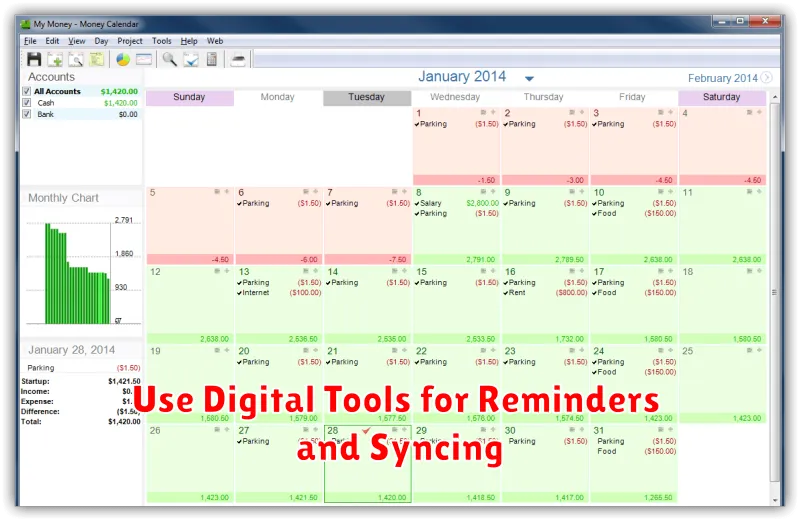
Leverage digital tools to streamline your financial calendar and ensure you stay on track. Calendar apps like Google Calendar, Outlook Calendar, or Apple Calendar allow you to input all your financial deadlines, appointments, and bill due dates. These tools offer reminder notifications, preventing missed payments and forgotten deadlines.
Furthermore, consider using financial management apps or software that sync with your bank accounts and credit cards. This provides a consolidated view of your finances, automating some tasks like bill payments and providing real-time updates on your account balances. The syncing capabilities of these applications eliminate the need for manual data entry and reduce the risk of errors.
Choosing the right tools depends on your specific needs and preferences. Explore different options and select tools that integrate well with each other and your existing workflow to optimize efficiency and minimize the time spent managing your financial calendar.
Keep It Visible and Easy to Update
A crucial aspect of a successful financial calendar is its visibility and ease of updating. Keeping your calendar readily accessible ensures consistent engagement with your financial goals. Consider using a large, wall-mounted calendar or a digital calendar displayed prominently on your computer or phone.
Accessibility is key. Choose a format you’ll actually use and check regularly. If a digital calendar is more convenient, ensure you receive reminders and notifications. For a paper calendar, select a high-quality one that’s durable and easy to write on.
Easy updates are essential to maintain accuracy. Choose a system that allows for quick additions and alterations to your financial schedule. Whether digital or physical, it’s vital to update the calendar immediately after completing financial transactions or making significant decisions.
Employing a simple, uncluttered design for your calendar also enhances visibility and facilitates updates. Avoid overwhelming it with too much detail; prioritize key dates and deadlines. Regularly review and refine your calendar for optimal effectiveness.
