
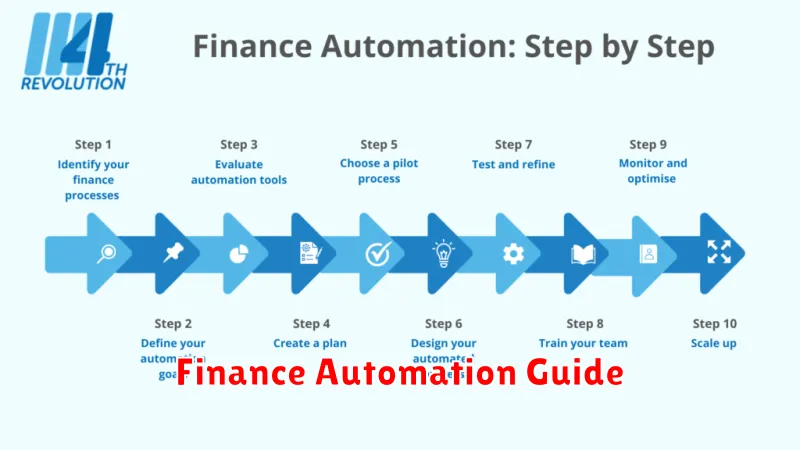
Are you overwhelmed by managing your personal finances? Do you dream of achieving financial peace of mind? This article will guide you through the process of automating your finances, providing a step-by-step approach to budgeting, saving, investing, and bill paying. Learn how to reduce stress and build wealth by leveraging technology and establishing effective systems for automatic financial management. Discover the power of automation to simplify your financial life and achieve your long-term financial goals.
Why Automation Reduces Financial Stress
Financial stress stems from a lack of control and the overwhelming nature of managing finances. Automation tackles this head-on by removing the manual effort involved in many financial tasks.
Automated bill payments eliminate the worry of missed deadlines and late fees, a significant source of anxiety for many. Automated savings ensures consistent contributions, building financial security and reducing future stress.
Automated budgeting tools provide a clear overview of income and expenses, enabling informed financial decisions and preventing overspending. This transparency fosters a sense of control over personal finances, significantly decreasing stress levels.
By handling repetitive tasks, automation frees up valuable time and mental energy. This allows for a more proactive and less reactive approach to finances, fostering financial well-being and reducing the overall burden of managing money.
Set Up Direct Deposit for Paychecks
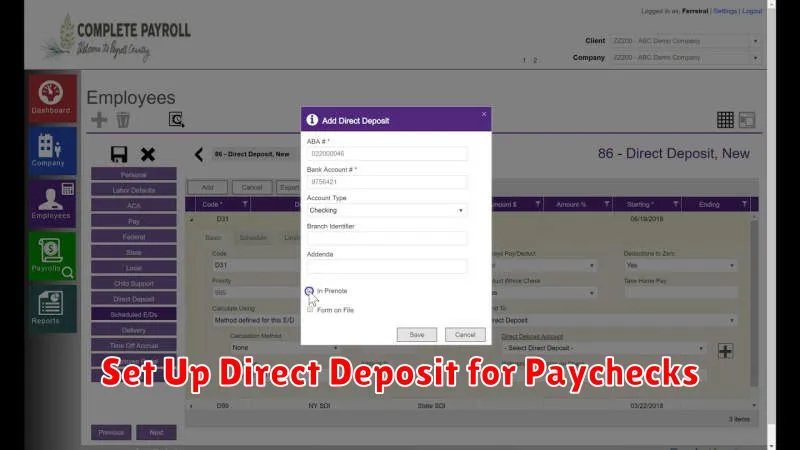
Setting up direct deposit for your paychecks is a crucial step in automating your finances. This simple process eliminates the need to manually deposit checks and ensures your money is safely and automatically transferred to your designated account.
To set up direct deposit, you’ll typically need your bank’s routing number and your account number. This information can usually be found on a check or through your online banking portal. You will then provide this information to your employer, often through a form provided by your payroll department or through your company’s HR portal.
Benefits of using direct deposit include increased security, reduced risk of lost or stolen checks, and convenience as your funds are automatically deposited on payday. By eliminating manual deposit steps, you’ll save time and reduce the likelihood of errors.
Contact your employer’s payroll department or HR if you require assistance or have any questions regarding the direct deposit setup process. They can provide specific instructions and any necessary forms.
Automate Transfers to Savings Accounts
Automating transfers to your savings account is a crucial step towards achieving financial peace of mind. By setting up recurring automatic transfers from your checking account to your savings account, you consistently build your savings without needing to remember to do it manually.
Most banks and online financial institutions offer this feature. You can typically schedule regular transfers, such as weekly or monthly, with a specified amount. This consistent saving contributes significantly towards your short-term and long-term financial goals, such as emergencies, down payments, or retirement.
Consider setting up multiple automated transfers to different savings accounts if you have various goals. For example, you might have one savings account for emergencies, another for a down payment, and a third for travel. This organized approach helps you track progress towards each goal effectively.
The convenience and consistency of automated transfers drastically reduce the risk of forgetting to save and promote a healthier savings habit. This contributes to reduced financial stress and a greater sense of control over your finances.
Schedule Recurring Bill Payments
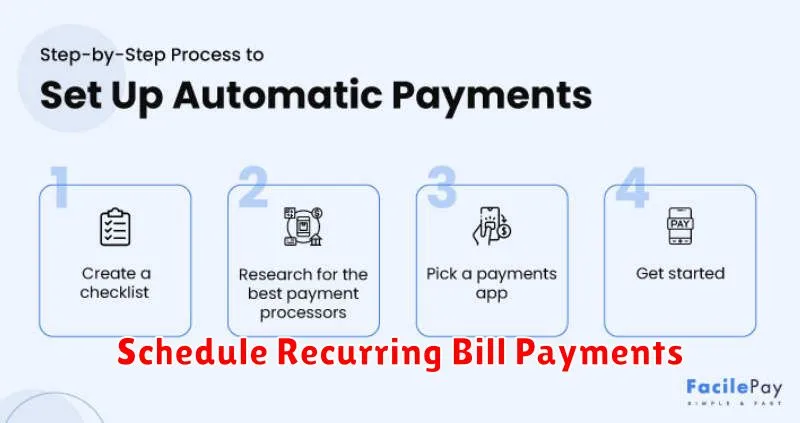
Automating your recurring bill payments is a crucial step towards achieving financial peace of mind. This eliminates the risk of late payment fees and the stress of remembering due dates. Most banks and credit unions offer online bill pay services, allowing you to schedule one-time or recurring payments directly from your account.
Setting up recurring payments is generally straightforward. You’ll need to provide the biller’s name and address, account number, and the amount to be paid. Many services allow you to specify the payment date and frequency (e.g., monthly, bi-weekly). Some even offer options for adjusting payment amounts if needed. Confirm the payment details carefully before scheduling to avoid errors.
Consider using a personal finance management app. These apps often integrate with your bank accounts and allow you to track expenses, schedule payments, and receive alerts about upcoming bills. This centralized approach simplifies managing your finances and helps you maintain a clear overview of your cash flow.
By scheduling recurring payments, you can free up mental space and reduce the time spent managing your bills. This automated system helps ensure your bills are paid on time, consistently, and without the added stress of manual intervention, leading to improved financial organization and a sense of greater control over your finances.
Use Budgeting Apps That Track Automatically
Automating your finances starts with using budgeting apps that automatically track your spending. These apps connect directly to your bank accounts and credit cards, eliminating the need for manual data entry. This saves significant time and reduces the chance of human error.
Many apps offer features beyond simple transaction tracking. Look for apps that provide budgeting tools, spending categorization, and financial goal setting features. This comprehensive approach provides a clear picture of your financial health and facilitates informed financial decisions.
The convenience and accuracy of automated tracking contribute to a more stress-free financial life. By freeing up time previously spent on manual bookkeeping, you can focus on achieving your financial goals and enjoy greater peace of mind.
Review Automations Monthly for Adjustments
Regularly reviewing your automated financial systems is crucial for maintaining their effectiveness and ensuring they align with your evolving financial goals. A monthly review allows for timely adjustments.
Focus your review on identifying any discrepancies between automated transactions and your expectations. Check for unexpected charges, incorrect account balances, or missed payments. This proactive approach helps prevent accumulating errors or missed opportunities.
Adapt to changes in income, expenses, or financial priorities. For example, if your income increases, you can adjust your savings automation to a higher percentage. Similarly, if a recurring expense ends, you can update your budget and automated transfers accordingly.
Examine automation performance. Are your automated savings consistently meeting your goals? Are your bill payments consistently on time? Use this evaluation to fine-tune your systems for optimal efficiency.
Document your adjustments. Keep a record of any changes made, along with the date and reason for the modification. This documentation will help you track your automation’s effectiveness over time and aid in future reviews.
By consistently reviewing and adjusting your automated financial systems, you’ll ensure they continue to support your financial well-being and contribute to your peace of mind.
Avoid Over-Automation That Causes Blind Spots
While automating your finances offers significant benefits, over-automation can create blind spots. Relying solely on automated systems without periodic manual review can lead to missed errors or unexpected charges.
For example, an automated bill payment system might fail to detect a fraudulent charge or a change in billing amount. Similarly, fully automated investment strategies might not adapt to unexpected market shifts requiring human intervention.
Maintaining a balance is key. Automate routine tasks like bill payments and savings transfers, but retain oversight. Regularly review your accounts, monitor transaction history, and reconcile statements to catch potential issues early.
Consider setting up alerts for unusual activity or large transactions. This proactive approach will ensure you’re aware of financial happenings and prevent unforeseen problems arising from over-reliance on automated systems.
Ultimately, the goal is to leverage automation for efficiency while retaining human oversight to mitigate risk and maintain control over your finances.
