

Mastering the art of saying “no” is crucial for achieving financial freedom. This article explores the often-overlooked power of declining unnecessary expenses and resisting impulsive purchases to build a strong financial foundation, improve debt management, and ultimately accelerate your journey towards financial independence. Learn how strategically saying “no” can dramatically impact your saving, investing, and overall wealth-building strategies.
Understand the Cost of Saying ‘Yes’ to Everything
Saying “yes” to every opportunity, request, or commitment can significantly impact your personal finances. This seemingly harmless habit often leads to overspending. Committing to too many social events, for example, can result in increased expenses on dining out, entertainment, and transportation.
Furthermore, agreeing to everything can lead to opportunity cost. By spreading yourself thin, you may neglect higher-paying job opportunities, lucrative side hustles, or even the time needed for focused work that would improve your financial situation. The time spent on less important commitments could be better used to enhance your financial literacy or invest in your future.
The constant “yes” can also cause stress and burnout. This can lead to decreased productivity at work, impacting your earning potential. The added pressure and fatigue frequently result in impulsive spending decisions as a way to cope.
In short, while appearing accommodating, constantly saying “yes” often translates into financial strain, missed opportunities, and diminished well-being. Learning to prioritize and strategically say “no” is crucial for achieving long-term financial stability.
Learn to Say No to Peer Pressure Purchases
Peer pressure can significantly impact spending habits. Resisting the urge to buy things solely to fit in is crucial for strong personal finance. Many purchases driven by peer pressure are ultimately unnecessary and can lead to debt.
Develop strategies to say no. Prioritize your financial goals and remind yourself of them when faced with peer pressure. Practice assertive communication; a simple “No, thank you,” or “That’s not in my budget right now,” is often sufficient.
Identify your triggers. Understanding what situations or people make you most susceptible to peer pressure helps you prepare beforehand. Consider the long-term consequences before making impulsive purchases. The temporary satisfaction of fitting in often pales in comparison to the long-term benefits of financial stability.
Building confidence in your decisions is key. Remember, your financial well-being is your responsibility. Don’t let others dictate your spending habits. Choose financial independence over fleeting social acceptance.
Decline Unnecessary Financial Help Requests
Learning to say “no” is crucial for financial well-being. This includes declining unnecessary requests for financial assistance. While helping others is commendable, prioritizing your own financial stability is equally important.
Before agreeing to help, assess your own financial situation. Can you comfortably afford the assistance without compromising your savings, bills, or future goals? If the answer is no, it’s perfectly acceptable to politely decline. Your financial health shouldn’t be jeopardized by the financial needs of others.
Politely but firmly decline requests that strain your budget. You can express empathy and understanding while stating your inability to assist. Suggesting alternative resources, such as charities or government programs, can provide helpful support without impacting your personal finances.
Saying “no” to unnecessary financial help requests isn’t selfish; it’s responsible financial management. Protecting your financial security allows you to achieve your own goals and strengthens your position to help others in the future, when you are better able to do so.
Say No to Flash Sales and Tempting Ads
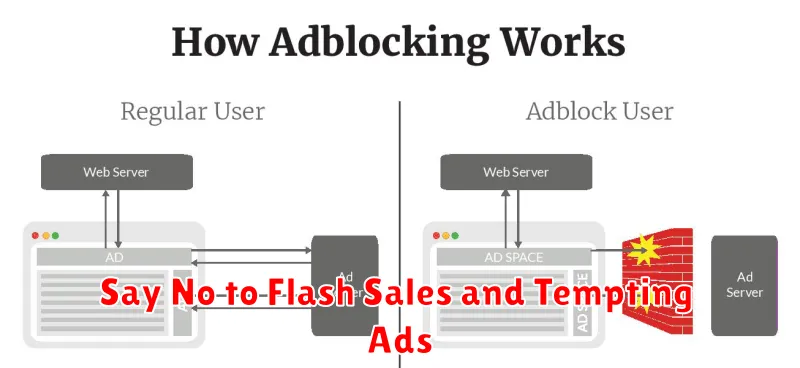
One of the most crucial aspects of effective personal finance is learning to say “no” to impulsive purchases fueled by flash sales and alluring advertisements. These marketing tactics prey on our emotions, creating a sense of urgency and scarcity that often overrides rational decision-making.
Resisting the temptation requires a conscious effort. Before making a purchase, ask yourself: Do I truly need this? Can I afford it without impacting my financial goals? Is this a want or a need? A thoughtful approach to spending ensures that purchases align with your financial plan, rather than derailing it.
Developing a strong sense of self-discipline and prioritizing your long-term financial wellbeing over short-term gratification is essential. By saying “no” to unnecessary spending, you pave the way towards achieving your financial goals – whether it’s saving for a down payment, paying off debt, or investing for the future. This practice cultivates a healthier relationship with money, fostering a sense of control and confidence in your financial journey.
Protect Your Goals with Firm Boundaries

Establishing firm boundaries is crucial for achieving your personal finance goals. This involves saying “no” to impulsive spending, unnecessary expenses, and requests that conflict with your financial plan.
Setting a budget and sticking to it is a key boundary. This requires careful tracking of income and expenses, identifying areas where you can cut back, and prioritizing essential spending over wants.
Protecting your goals also necessitates saying “no” to financial commitments that jeopardize your progress. This could involve declining loans or credit card offers with high interest rates or avoiding co-signing loans for others.
Communicating your boundaries to friends and family is important. Let them know your financial priorities and politely decline requests that don’t align with them. This may be uncomfortable initially, but protecting your financial well-being is paramount.
By setting and maintaining firm boundaries, you demonstrate self-discipline and commitment to your financial goals. This strengthens your resolve and enhances your chances of success in achieving financial independence.
Practice Assertive Communication with Friends and Family
Learning to say “no” effectively is crucial for personal finance, but it often requires assertive communication skills. This means expressing your needs and boundaries clearly and respectfully, even when facing pressure from friends or family.
Assertiveness involves stating your limits directly, without aggression or passivity. For example, instead of vaguely saying “I’m busy,” try, “I’d love to help, but I’m working on managing my budget right now and can’t afford to contribute.” This clearly communicates your financial constraints.
Practice active listening to understand their perspective, but remain firm in your decision. You might explain your financial goals to help them understand your position. It’s okay to politely decline requests that compromise your financial well-being.
Remember, saying “no” is not selfish; it’s a necessary step in taking control of your finances and achieving financial independence. By practicing assertive communication, you build stronger, more honest relationships while also protecting your financial future.
Track How Many ‘No’s Lead to Bigger ‘Yeses’
Mastering the art of saying “no” is crucial for achieving financial success. Each “no” to unnecessary spending, impulsive purchases, or financially draining commitments frees up resources for more impactful “yeses”.
To understand this connection, track your “nos”. Maintain a simple log noting each instance where you declined a non-essential expense or commitment. Alongside each “no,” record the potential cost or time saved.
Over time, review your log. Quantify the cumulative savings or time gained from your rejected opportunities. This tangible evidence will vividly illustrate how seemingly small “nos” accumulate into significant financial gains, enabling you to say “yes” to more meaningful goals – be it paying off debt, investing, or pursuing enriching experiences.
This practice reinforces the value of saying “no,” fostering a more disciplined approach to financial management. It transforms the act of declining into a powerful strategy for achieving your long-term financial aspirations.
