
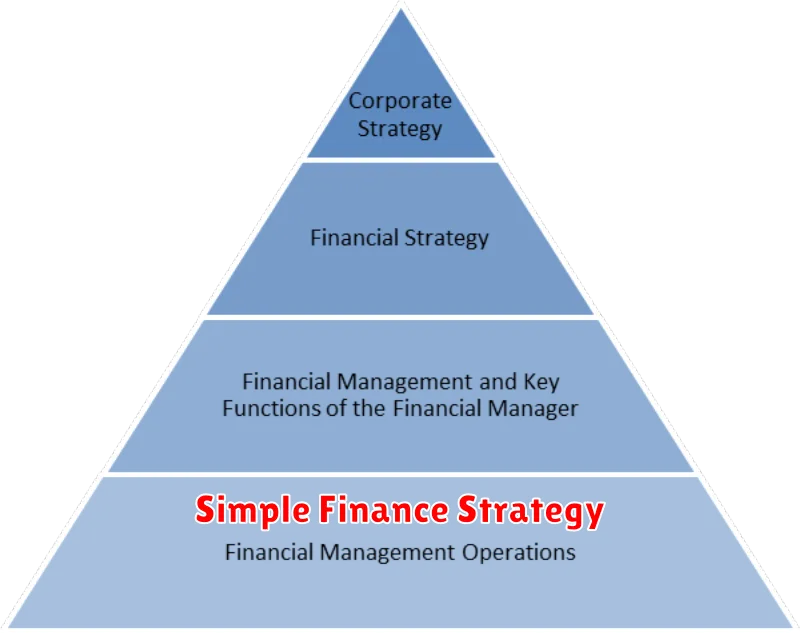
Are you overwhelmed by financial stress? Do you yearn for a simpler, more financially secure life? This article explores practical strategies to reduce financial stress through embracing simplicity. Learn how to simplify your finances, budget effectively, and cultivate a mindset that prioritizes financial well-being, leading to a less stressful and more fulfilling life. Discover actionable steps to achieve financial freedom and reduce financial anxiety.
Cut Financial Clutter in Your Life First
Financial stress often stems from a lack of clarity and control over your finances. Before tackling complex financial strategies, begin by simplifying your financial life. This involves decluttering your financial paperwork and digital records.
Start by organizing all your financial documents. This includes bank statements, bills, tax returns, investment records, and loan agreements. Discard outdated documents according to legal requirements. For digital records, utilize cloud storage or a well-organized file system.
Next, identify and eliminate unnecessary subscriptions and memberships. Review your recurring charges and cancel any services you no longer use or need. This seemingly small step can significantly reduce monthly expenses and contribute to a sense of control.
Finally, consider consolidating your accounts. Having too many accounts can make tracking your finances complicated and stressful. If feasible, merge similar accounts to simplify your financial overview and minimize administrative burden.
By implementing these straightforward steps, you’ll establish a foundation for improved financial health and significantly reduce unnecessary financial stress. A simplified financial life allows for better planning, clearer budgeting, and ultimately, increased peace of mind.
Switch to One Spending Account and One Savings
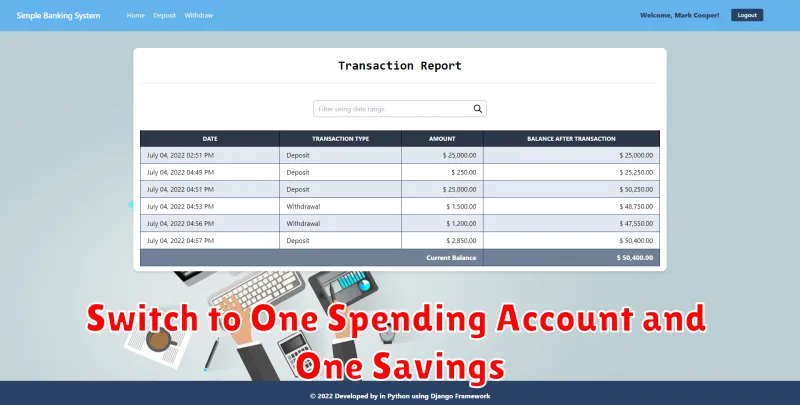
Simplifying your finances can significantly reduce stress. A crucial step is consolidating your accounts. Instead of juggling multiple checking and savings accounts, switch to just one spending account and one savings account.
This simplification offers several benefits. Tracking your income and expenses becomes much easier with a single overview. You’ll eliminate the confusion of remembering which account to use for what purpose, reducing the chances of overspending or mismanaging funds.
Furthermore, having a dedicated savings account fosters better saving habits. The clarity of a single destination for your savings makes it easier to monitor progress towards your financial goals and maintain a healthy emergency fund. This consolidated approach brings a sense of control and clarity to your financial life, ultimately reducing stress.
Use Cash for Emotional Spending Categories
Emotional spending, driven by feelings rather than needs, often contributes significantly to financial stress. To curb this, consider using a cash-only system for specific categories prone to impulsive purchases.
Identify your emotional spending triggers. This might include dining out, online shopping, or entertainment. Allocate a fixed cash budget for each category at the beginning of the month. Once the cash is gone, that’s it for that category until the next month.
This method provides a visual representation of spending and creates a psychological barrier. The tangible nature of cash makes you more mindful of each purchase, promoting better control over impulsive spending and ultimately reducing financial stress.
Declutter Subscriptions and Auto-Payments
Reducing financial stress often begins with simplifying your finances. A significant step in this process is decluttering your subscriptions and auto-payments. Many people unknowingly pay for services they no longer use or need.
Review your bank and credit card statements meticulously. Identify all recurring charges. Ask yourself: Do you actively use this service? Is the value worth the cost? If the answer is no to either question, cancel the subscription immediately.
Automate wisely. While auto-payments offer convenience, ensure they are for essential expenses only. Avoid automating payments for non-essential subscriptions to prevent unintentional overspending.
Consider a budgeting app to help track recurring payments and identify areas for potential savings. These apps can provide a clear overview of your spending habits, allowing you to make informed decisions about your finances.
By decluttering your subscriptions and managing auto-payments effectively, you can gain control of your finances, leading to a significant reduction in financial stress.
Track Only the Top 3 Expense Categories
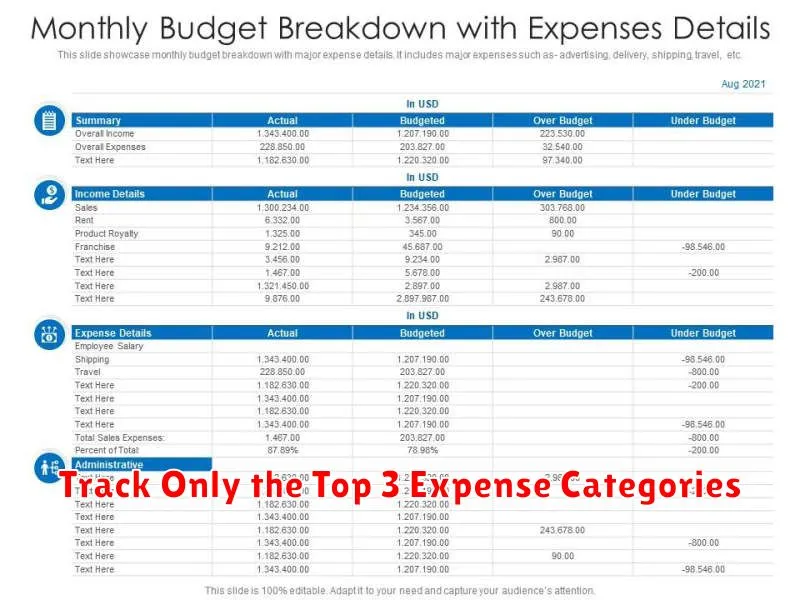
Simplifying your finances can significantly reduce financial stress. A crucial step is focusing on your largest expenses, rather than getting bogged down in tracking every single item. Instead of meticulously monitoring all spending, identify your top three expense categories.
This targeted approach allows you to allocate your time and energy efficiently. By concentrating on these major areas, you can quickly see where your money is going and make informed decisions about potential changes.
Common top expense categories include housing, transportation, and food. However, yours may differ. Once identified, carefully analyze these three categories. Look for areas where you can make adjustments and reduce spending without significantly impacting your lifestyle.
This streamlined tracking method promotes clarity and control. By focusing on what truly matters, you can effectively manage your finances and alleviate the stress associated with complex budgeting.
Focus on Progress, Not Perfection
Financial simplicity isn’t about achieving a flawless, perfectly balanced budget overnight. It’s about making consistent, manageable progress. Perfection is often unattainable and can lead to discouragement, hindering your journey towards financial well-being. Instead, focus on small, achievable steps.
Start by tracking your spending for a week or two to identify areas for improvement. Then, implement one or two small changes, such as reducing daily coffee expenses or canceling unused subscriptions. Celebrate each milestone, no matter how small. The key is to build momentum and create positive reinforcement, making the process sustainable.
Avoid comparing your financial journey to others. Everyone’s path is unique. What matters is your personal progress. Acknowledge setbacks, learn from them, and keep moving forward. The continuous effort towards simplicity, not the immediate attainment of perfection, is what truly reduces financial stress.
Remember, consistent effort, even in small increments, will yield greater results than sporadic attempts at perfection. Embrace the journey, and focus on the forward momentum towards a simpler, less stressful financial life.
Review Finances Weekly for Peace of Mind
Regularly reviewing your finances can significantly reduce financial stress. A weekly review, even if brief, offers substantial benefits.
This practice allows you to track spending, ensuring you stay on budget. You’ll quickly identify any unexpected expenses and address them promptly, preventing them from snowballing into larger problems.
Moreover, a weekly check-in provides a sense of control over your financial situation. This proactive approach replaces anxiety with confidence, fostering peace of mind.
Key aspects to include in your weekly review are: checking your bank accounts, reviewing credit card statements, and noting any upcoming bills. This simple process provides a clear picture of your current financial standing.
By adopting this habit, you cultivate a mindful approach to your finances, turning what can be a source of stress into a manageable and even empowering aspect of your life.
